

Map the handoffs
We identify who owns each decision, which information they need, and where the current process breaks.

Find the details behind the work.
Explore how we build and operate client systems, then find the details that matter to your team.
The operating model
We map your current process, build the agreed software, host it, and handle ongoing operation. Your team stays involved in the decisions and approvals that belong to you.
01 / Discover
We follow one real request through your current tools: who receives it, who decides what happens next, and where information is lost.
We identify who owns each decision, which information they need, and where the current process breaks.
We define the smallest useful working system and put its boundaries in the proposal.
02 / Build
We build the screens your customers use and the internal views your team needs to respond, track status, and finish the work.
A client portal, CRM, booking flow, operations board, or reporting view takes shape where the workflow needs it.
We connect relevant records and actions so the next person can see what happened and what needs attention.
03 / Host
We provision and manage infrastructure for the agreed system. Client data and sending identity stay separate; the exact hosting, access, and retention terms belong in the engagement.
Each engagement gets its own scope, configuration, and access model. Your workflow does not become a generic shared account.
The proposal identifies what Indigo manages and what your team approves, supplies, or owns.
Review our public security explanation, then resolve contractual or technical requirements during scoping.
04 / Operate
The engagement defines how we monitor and maintain the hosted system, support your team, and make changes. It also names who approves decisions that affect customers.
An operations view gives the team a way to find open work, ownership, and next steps.
We agree how failures, unclear cases, and proposed changes reach a human owner instead of vanishing inside an automation.
05 / Improve
After launch, we review support issues and actual usage with your team. We agree which fix or improvement to make next and use only data the system can verify.
Review the records and handoffs the system actually captures, including the limits of that data.
Prioritize fixes and improvements with your team, then release them through the agreed operating process.
Explore the modules
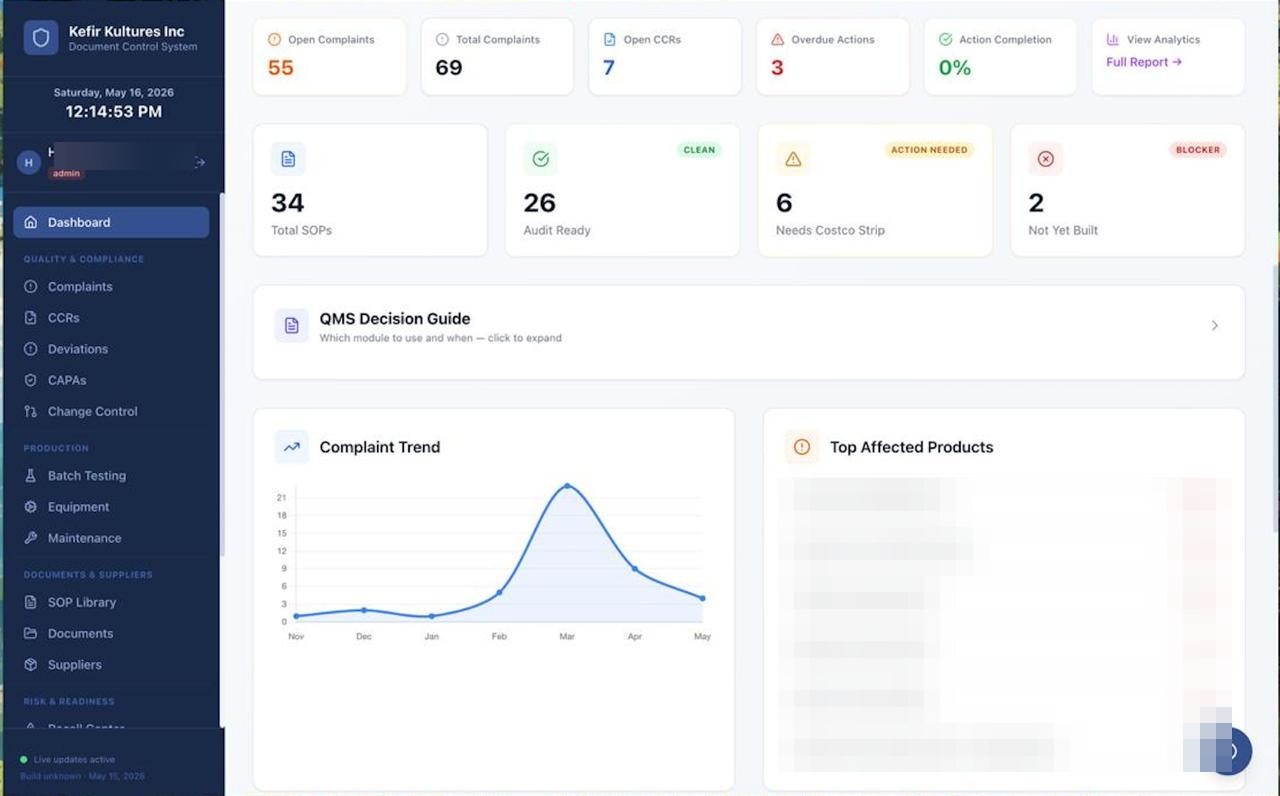
CRM, booking, operations, and reporting are examples of work we can build. The first release includes only the parts agreed during discovery.
CRM and operations views keep context and work together.
Booking and customer-facing flows connect promises to the actual next step.
The engagement
We agree on the first release, its cost, and the ongoing work before the build starts. Indigo builds and hosts the platform, then operates it with your team.
Build + operate
Your proposal separates the initial build from hosting and ongoing operation. It states what we will deliver at launch and what support follows.
01 / Build
Discovery, workflow design, interface and integration work, testing, and an agreed go-live path belong in the initial scope.
Defined deliverables and approval points
02 / Operate
We host and operate what we build. The agreement defines the support, maintenance, monitoring, and improvement work for your platform.
Ongoing responsibilities written into the engagement
What you can evaluate
The proposal lists the workflows, integrations, approval points, and ongoing responsibilities behind the quoted cost.
The first useful release, the workflows it covers, and the systems it needs to connect.
The decisions and approvals your team owns, alongside the build and operating work we take on.
A review path, launch dependencies, and the point at which a person approves real customer activity.
Hosting, support, maintenance, and the agreed path for changes after launch.
From conversation to scope
On the first call, show us one process that is difficult to run today. We will discuss the people, tools, and approvals involved before proposing a first release.
01 / Show the work
Where does it start, and where does it stall?
02 / Choose the first release
Which handoffs need a shared system first?
03 / Review the proposal
What will we build, run, and ask you to approve?
Common questions
No. We quote an agreed scope because the workflows and connections differ by business.
Indigo hosts and operates the platform. Your team remains involved in the decisions and approvals that belong to you.
You do. Client data and sending identity belong in infrastructure provisioned for that client.
The agreement defines the first release and ongoing work. Later changes are discussed and scoped with you.
For distributed operations
We identify which requests each site handles, who approves exceptions, and what the central team needs to see. Then we scope the local and shared views around those roles.
The work between sites
We trace a request from intake to completion and record who owns it when it moves between a location and the central team.
Find where requests enter each location and which details should travel with them.
Map local roles, central approvals, and the moments when work changes hands.
Choose the few shared views that make progress visible without erasing local context.
Local + shared
A site needs its own appointments, tasks, and customer context. A central operator needs status across sites and a way to find work waiting for approval.
At a location
Intake, appointments, tasks, and customer context can be organized around the people doing the work at that site.
Across the operation
Central teams can see where work stands, where approval is needed, and which differences between sites need a closer look.
A possible first release
One possible first release takes a request from intake through assignment, local action, and central review. We choose the actual steps with your team during scoping.
The actual steps, roles, and data connections are decided with your team during scoping.
The kind of work we build
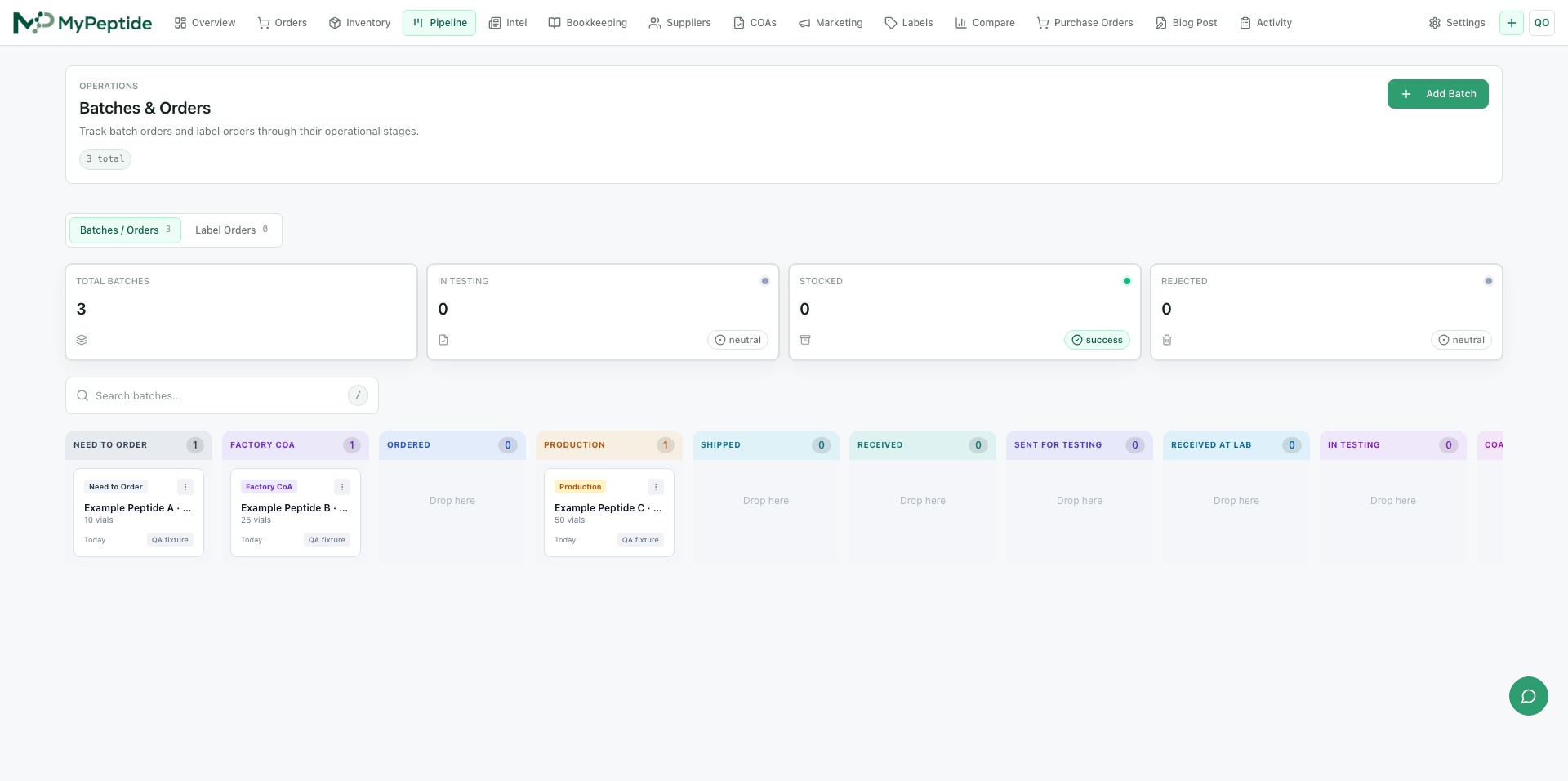
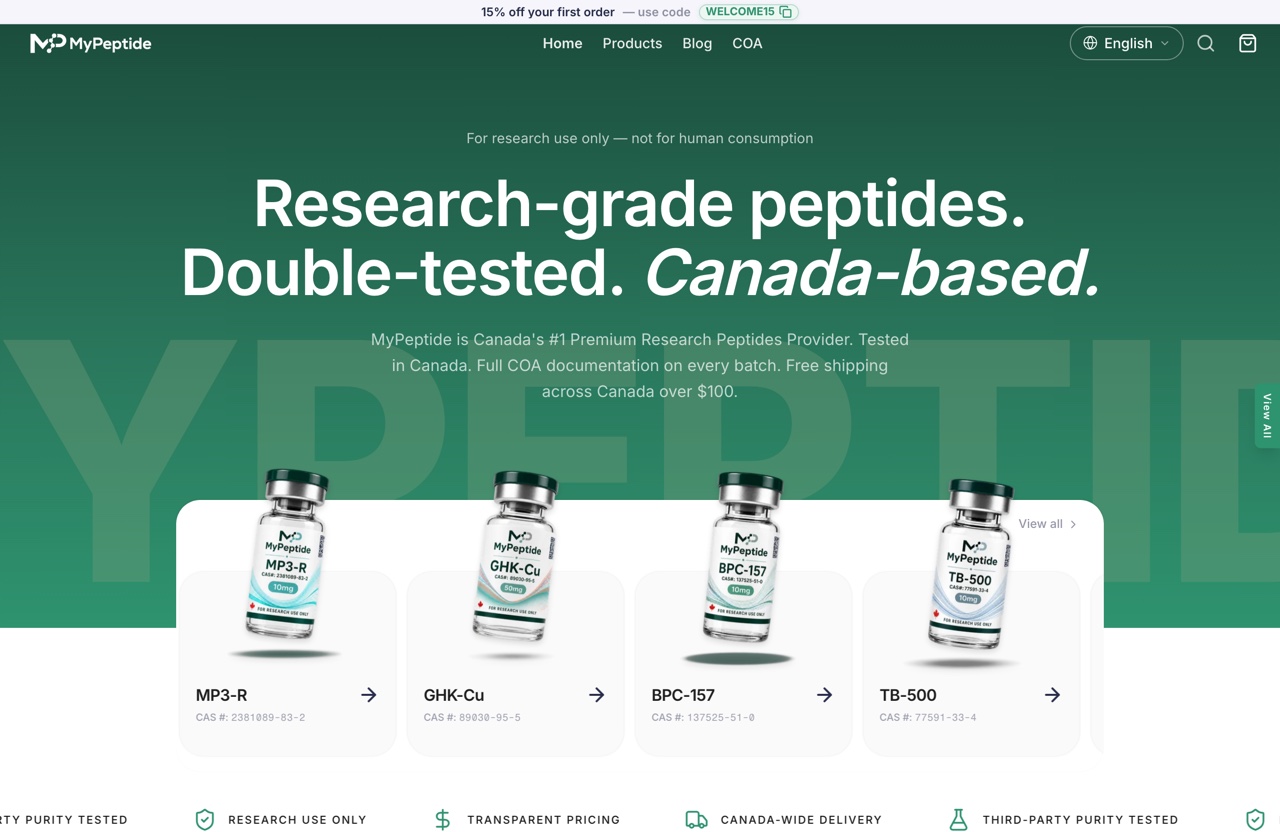
MyPeptide pairs a storefront with a batch operations pipeline. It illustrates how customer journeys and team work can be connected. It is a separate client project, not a multi-location deployment claim.
Support / a human path
The right first step depends on whether you are exploring a build or already working with us. Either way, tell us what is happening in plain language.
01 / Exploring a project
A discovery call is for the workflow, the people involved, and what a first useful system could do. You do not need a technical specification before booking.
Book a discovery call02 / Existing client
Use your existing project contact where one is already established. If you need a general route, email us with the affected workspace, what you expected, what happened, and when you noticed it. Avoid putting customer records or credentials in the first email.
Email client supportA useful first note
More context
Ownership / working relationship
We build, host, and operate a custom platform with you. This page explains the shape of that relationship in plain language. The agreement for your engagement sets the actual rights and obligations.
The operating boundary
Client data lives in infrastructure provisioned for that client, including its database and sending identity. We operate the system; the client owns its data.
Each client runs in an isolated workspace. One client's data, messages, and customers do not mix with another's.
Our role includes building and operating the agreed system. Before messaging goes live to customers, a human signs off. Scope and responsibilities are set with each client.
What this page is
These statements describe our confirmed operating model. They do not set a universal handoff procedure, license, service level, data retention period, or exit term. Those details belong in the agreement and scope for a specific engagement.
Privacy and Terms describe this website and its information-handling boundaries. These website documents do not substitute for the agreement governing a particular client engagement. If you need a particular document during procurement, ask us directly.
For technical and messaging safeguards, read Security & Trust. That page also labels SOC 2 Type II and Canadian privacy and anti-spam posture as work in progress.
A question about ownership?
We can explain what would be provisioned for your business and which decisions need to be written into your engagement.
About Indigo
Indigo works with businesses to turn scattered work into a useful platform. We shape it with the people who use it, build it, host it, and operate it after the first release.
How we work
The useful questions come before the interface: where a request begins, who decides, what gets lost, and what should happen next.
01 / Shape
We map the people, handoffs, and existing tools before defining a first release.
02 / Build
A custom interface gives the team one place to act on the information it needs.
03 / Operate
We host and operate the platform, with changes and support defined in the engagement.
Work in the open
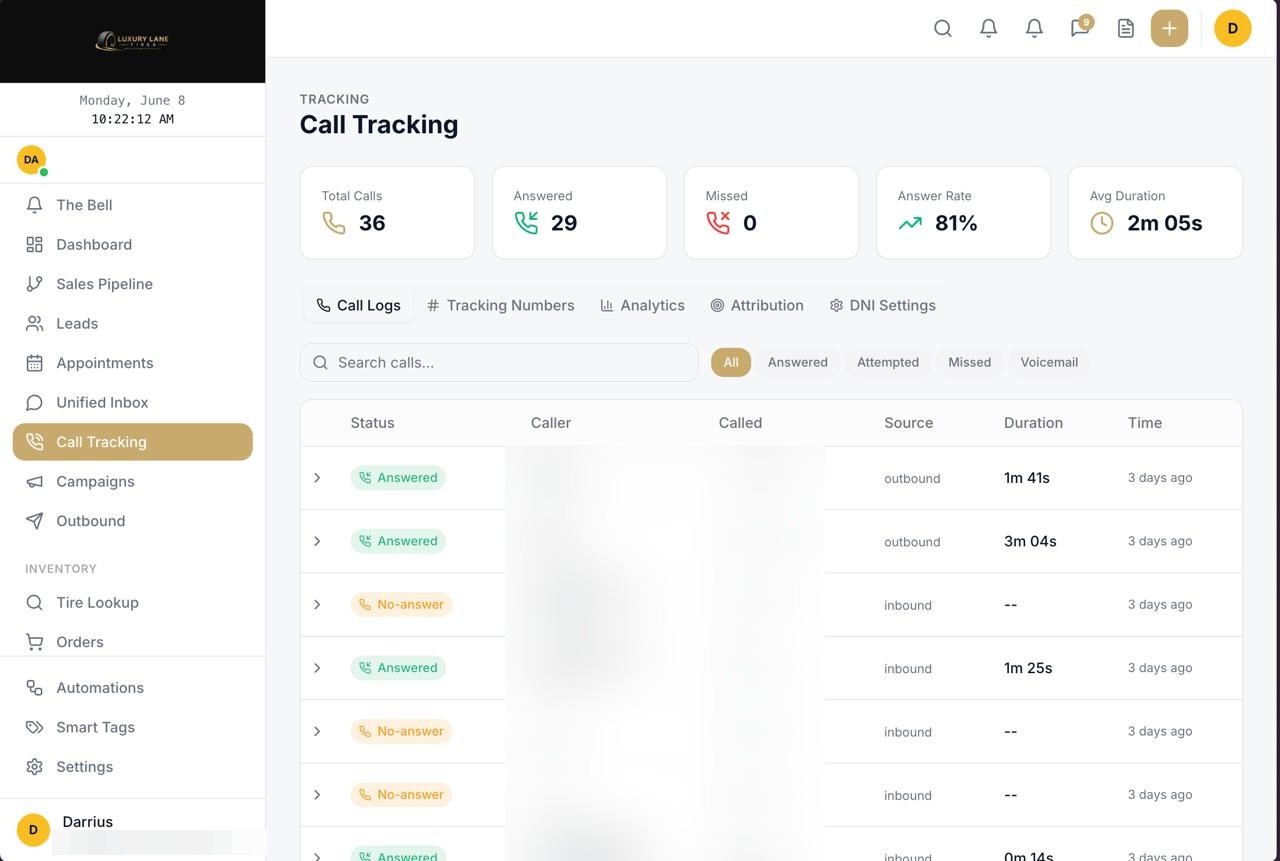
Our projects are not all the same shape. MyPeptide joins a customer storefront to an internal batch pipeline, while LuxuryLane uses a CRM and call tracking interface for a different workflow.
The relationship
Client data lives in infrastructure provisioned for that client, including its own database and sending identity. We operate the system, while your team keeps the decisions and approvals that belong to it.
An operating partner
The relationship continues after the first release.
Hosting, maintenance, support, and agreed improvements are part of the engagement, so the system can keep serving the work it was built for.
Contact
Show us a workflow, a handoff, or a system you wish existed. A conversation is enough to begin. You do not need a technical brief.
Choose a path
We use the first conversation to understand your operation and identify a useful first scope.
Talk it through
Walk us through the work as it happens today. We will ask about the people, systems, and decisions involved.
Write it down
A few sentences about the problem, who it affects, and what you have tried will give us a place to start.
What helps us understand
The starting point can be rough. These are useful details if you have them, not a form to fill in before we speak.
Where does a request begin, and what step slows the team down?
Who uses the process, owns a decision, or needs to see its outcome?
Which existing tools or records should the first system account for?
Every engagement starts with a conversation. You'll know exactly what we'd build before you commit.